


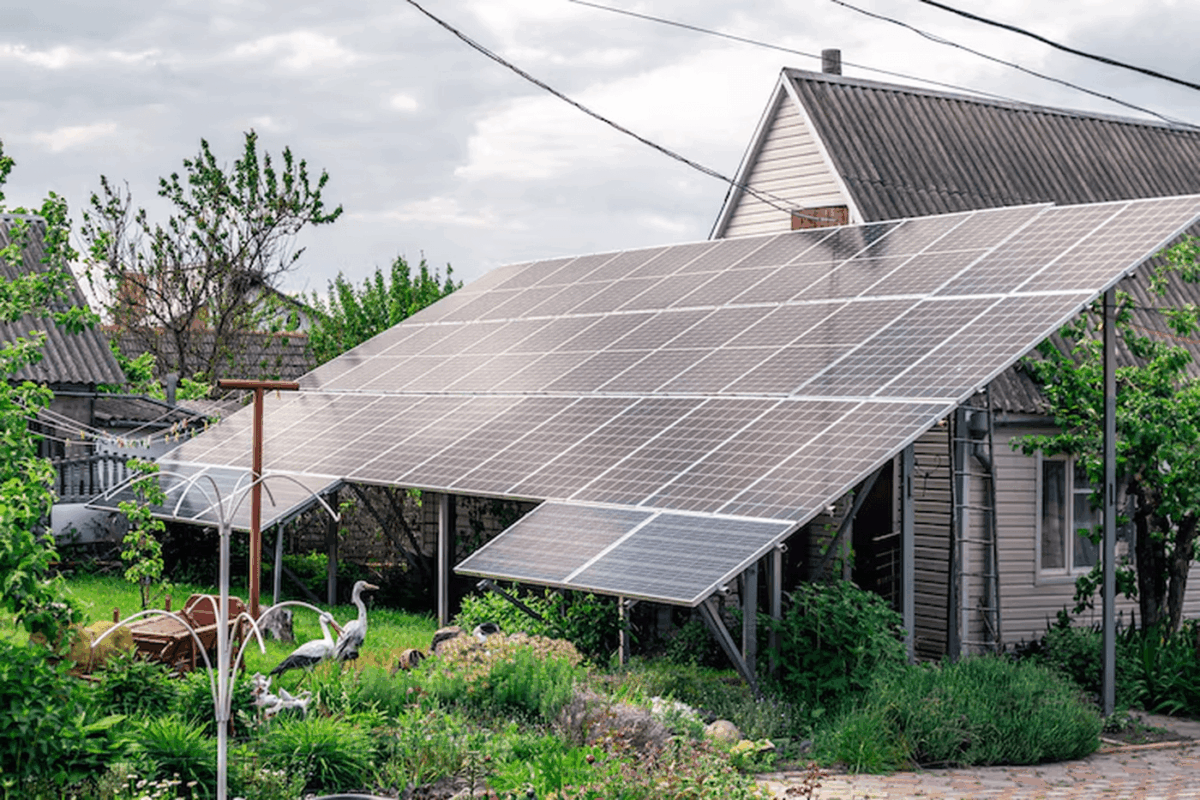
The UK solar energy market is entering a new phase. Rising energy costs, improved solar technology and growing awareness of renewable energy are encouraging more homeowners to consider solar panels and battery storage as part of their home energy strategy.
The summer of 2026 has further highlighted the growing role of solar power in the UK. Strong sunshine and increased solar generation have demonstrated how much renewable energy can contribute to the electricity system, while homeowners are becoming increasingly interested in generating and storing their own electricity.
Solar energy is no longer viewed as an option reserved for early adopters. For many UK households, solar panels with battery storage are becoming a practical way to reduce reliance on grid electricity, improve energy efficiency and make better use of renewable power.
Why Is Solar Energy Becoming More Popular in the UK?
Several factors are driving the continued growth of residential solar installations across the UK.
Rising Energy Costs
Household energy bills have remained a major concern for homeowners. Although energy prices change over time, uncertainty has encouraged many people to look for greater control over how much electricity they purchase from the grid.
Installing solar panels allows a property to generate electricity on-site. Instead of relying entirely on electricity from an energy supplier, homeowners can use solar generation to meet some of their everyday electricity needs.
This can be particularly valuable for households with consistent daytime electricity consumption.
Improvements in Solar Technology
Solar panel technology has developed significantly over recent years. Modern panels can generate useful amounts of electricity even under less-than-perfect UK weather conditions.
Advances in solar panel efficiency, installation methods and system design have also made residential solar more accessible.
For homeowners considering an installation today, there are more options available when it comes to panel technology, system size, battery storage and energy management.
Growing Awareness of Renewable Energy
Solar power has become increasingly visible across the UK. More homes, businesses and public buildings are adopting renewable energy, making solar panels a familiar sight across the country.
As more households see friends, neighbours and family members installing solar, confidence in the technology continues to grow.
The question for many homeowners is no longer whether solar panels work, but whether their property is suitable and how much energy they could generate.
Solar Panels and Battery Storage: A Growing Combination
One of the biggest developments in the residential solar market is the increasing popularity of home battery storage.
Solar panels generate electricity during daylight hours, with generation generally strongest around the middle of the day. However, household electricity demand does not always match solar production.
For example, a home may generate more electricity than it needs during the afternoon while using considerably more electricity in the evening.
A battery can help bridge this gap.
How Does Solar Battery Storage Work?
A typical solar and battery system works by:
- Generating electricity from solar panels during daylight hours.
- Using solar power directly to run appliances and other household electrical loads.
- Charging the battery with surplus electricity.
- Using stored electricity later when solar generation falls.
- Exporting surplus energy, where appropriate, under an eligible export arrangement.
This can help households make greater use of the electricity their solar panels generate rather than relying on the grid when the sun is no longer shining.
Why Add a Battery to Solar Panels?
Battery storage can provide several potential benefits for UK homeowners.
Use More of Your Solar Electricity
Without storage, surplus electricity may be exported to the grid when generation exceeds household demand.
A battery provides another option: store some of that surplus electricity and use it later.
This can increase the proportion of your solar generation that is used within the property.
Reduce Grid Dependence
Battery storage can reduce the amount of electricity a household needs to purchase from the grid, particularly during periods when solar panels are not generating enough electricity to meet demand.
This can provide greater control over household energy consumption.
Make Better Use of Solar Generation
Solar generation is naturally intermittent. A battery helps make renewable electricity available at times when your panels are producing little or no power.
For many homeowners, this makes a combined solar PV and battery storage system more attractive than installing solar panels alone.
Is Solar Still Worth Having in the UK?
A common misconception is that solar panels only work effectively in hot, sunny climates.
In reality, solar panels do not need high temperatures to generate electricity. They need light.
That means solar PV can continue generating electricity throughout the year, including during the UK’s colder and cloudier months.
Of course, generation varies depending on the season, weather, roof orientation, shading and system design. Summer generally provides stronger solar generation because of longer daylight hours, while winter production is typically lower.
However, a properly designed system can continue contributing to household electricity needs throughout the year.
Should You Install Solar Panels Before Winter?
For homeowners considering solar panels, waiting until the following summer is not necessarily the best approach.
Installing a system before winter means the property can begin generating renewable electricity sooner. While winter production will usually be lower than summer generation, the system can still contribute towards household energy use.
There is also a practical consideration: periods of strong demand can result in longer installation lead times.
Planning ahead gives homeowners more time to:
- Assess their property’s suitability
- Compare solar panel options
- Choose an appropriate battery size
- Review installation costs
- Understand potential savings
- Consider electricity export options
- Arrange installation at a convenient time
What Determines How Much Electricity Solar Panels Generate?
Every property is different, so there is no single figure that applies to every UK home.
Solar generation can be influenced by several factors, including:
Roof Orientation
A roof’s orientation affects how much sunlight the panels receive throughout the day. South-facing roofs can be particularly favourable, although east- and west-facing roofs can also work well.
Roof Pitch
The angle of the roof can influence solar generation. A professional assessment can help determine whether the existing roof pitch is suitable.
Shading
Trees, chimneys, neighbouring buildings and other obstructions can reduce solar generation by casting shadows over the panels.
System Size
The number and type of panels installed will affect the amount of electricity the system can generate.
Battery Capacity
Battery size should be considered alongside household electricity consumption and solar generation. A larger battery is not automatically better; the system should be appropriately sized for the property and its energy requirements.
Solar Panels Are Part of a Bigger Energy Strategy
The growing interest in solar is also changing how homeowners think about energy.
Rather than simply purchasing electricity whenever it is needed, households can increasingly generate, store and manage energy themselves.
A well-designed home energy system may combine:
- Solar PV panels
- Battery storage
- Smart energy management
- EV charging
- Energy-efficient appliances
- Appropriate electricity tariffs
Together, these technologies can help homeowners make better use of renewable energy and potentially reduce their reliance on electricity purchased from the grid.
What Does the Future Look Like for UK Solar?
The continued expansion of solar power suggests that renewable energy will play an increasingly important role in the UK’s energy mix.
For homeowners, the biggest change is that solar technology is becoming more accessible and better understood.
Battery storage is also helping address one of the traditional limitations of solar power: generation occurs during daylight, while electricity demand can continue well into the evening.
As energy technology develops, homeowners are likely to have greater opportunities to generate, store and manage their own electricity.
Is Your Home Suitable for Solar Panels and Battery Storage?
If you’re considering solar panels in the UK, the first step should be understanding what is realistic for your property.
A professional assessment can consider your roof, available space, orientation, shading, electricity consumption and potential battery requirements.
Rather than choosing a system based purely on the number of panels, it is important to design the installation around how your household actually uses energy.
Take Control of Your Home Energy
The growing popularity of solar panels and battery storage reflects a wider shift towards smarter, more efficient and more independent home energy.
Whether you’re looking to reduce your electricity bills, make greater use of renewable energy or improve your home’s energy efficiency, solar PV and battery storage could be worth considering.
Resolve Home Energy can help UK homeowners explore their renewable energy options, from solar panel installation to battery storage and wider home energy solutions. Get in touch to discuss your property, energy requirements and the most suitable approach for your home.
