


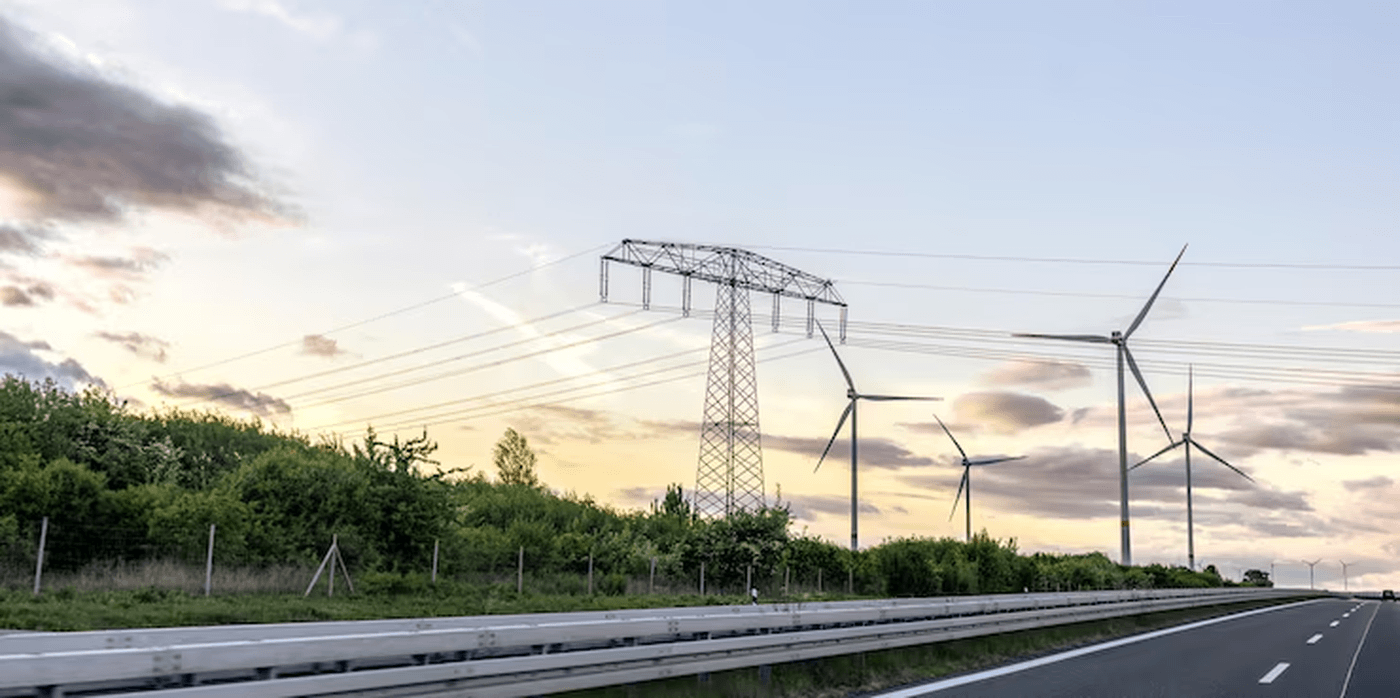
The UK’s transition towards cleaner, more affordable and reliable energy depends on more than renewable electricity generation. A modern, resilient and well-connected electricity grid is equally important to ensuring that clean power can reach homes, businesses and industries across the country.
With increasing demand for electricity, the expansion of renewable energy projects and the growing adoption of electric vehicles and heat pumps, the pressure on existing grid infrastructure continues to rise. Strengthening the national electricity network will therefore be essential to supporting the UK’s long-term energy ambitions.
The proposed Great British Grid (GBG) initiative represents an important step towards addressing these challenges. By encouraging public investment, supporting infrastructure development and improving electricity connections, the initiative could help accelerate the modernisation of the UK’s energy network.
But where could investment make the greatest difference? There are several areas where targeted intervention could help improve grid capacity, reduce delays and support the transition to a low-carbon energy system.
Understanding the Great British Grid Initiative
The Great British Grid initiative aims to accelerate the development of the electricity infrastructure required to support the UK’s changing energy landscape.
Although private investment will continue to play a major role in expanding and upgrading the network, additional public-sector involvement could help address some of the financial, operational and supply-chain challenges affecting infrastructure delivery.
The initiative is expected to work alongside existing energy institutions and network operators rather than replace them. Its potential responsibilities include supporting new transmission infrastructure, encouraging investment and helping overcome barriers that delay electricity connections.
Key areas of focus include:
- Increasing investment in electricity transmission and distribution infrastructure.
- Accelerating connections for renewable energy developments and major electricity users.
- Supporting the construction of new network assets.
- Improving existing grid capacity and reliability.
- Strengthening the supply chain for essential electrical equipment.
- Encouraging collaboration between public organisations and private investors.
The effectiveness of the initiative will ultimately depend on how efficiently funding is allocated and how well it addresses the most pressing infrastructure challenges.
1. Encouraging Investment and Collaboration in Grid Infrastructure
Developing a modern electricity network requires substantial long-term investment. Private companies have traditionally played an important role in financing, constructing and operating electricity transmission and distribution assets.
However, the scale of infrastructure investment required may create opportunities for greater public-sector participation.
The Great British Grid could help encourage investment through competitive project delivery, strategic partnerships and potential co-investment arrangements. Working alongside established network operators and infrastructure developers could help share financial responsibilities and improve project delivery.
A collaborative approach may also encourage greater competition, improve efficiency and support investment in projects that might otherwise face financial or operational barriers.
For the UK energy sector, this could create a more flexible investment environment while supporting the development of infrastructure needed for future electricity demand.
2. Upgrading and Strengthening Existing Electricity Networks
While new transmission lines and substations are important, improving existing electricity infrastructure is equally essential.
Much of the UK’s electricity network was developed around traditional power generation and consumption patterns. The increasing contribution of renewable energy, combined with rising electricity demand, means that existing infrastructure must adapt.
Grid reinforcement can involve:
- Upgrading ageing transmission and distribution equipment.
- Increasing the capacity of existing substations.
- Replacing or improving transformers and switchgear.
- Strengthening overhead power lines and underground cables.
- Introducing advanced monitoring and network management systems.
- Improving connections between renewable energy generation sites and the national grid.
These improvements could help reduce network congestion, improve electricity distribution and accommodate additional renewable generation.
Prioritising strategically important upgrades could also help accelerate industrial development and support areas experiencing significant increases in electricity demand.
3. Strengthening the Electricity Supply Chain
One of the major challenges facing electricity infrastructure development is the availability of essential equipment and specialist components.
Large power transformers, high-voltage cables, switchgear and other electrical infrastructure components can involve long manufacturing and delivery times. Increasing global demand for these products can create additional pressure on procurement, project budgets and construction schedules.
The Great British Grid could help address these challenges by supporting more secure supply-chain arrangements and encouraging investment in domestic manufacturing capabilities.
Potential opportunities include:
- Establishing longer-term procurement agreements.
- Supporting UK-based manufacturing and engineering.
- Improving access to critical electrical components.
- Developing partnerships with international suppliers.
- Encouraging investment in specialist infrastructure production.
- Improving coordination between manufacturers, developers and network operators.
A more resilient supply chain would help reduce the risk of project delays and support the timely delivery of essential electricity infrastructure.
4. Accelerating Electricity Connections for Renewable Energy Projects
The expansion of renewable energy is central to the UK’s transition towards a lower-carbon electricity system. However, connecting new solar farms, wind projects and battery storage facilities to the electricity network can be challenging.
Limited grid capacity, connection queues and infrastructure upgrade requirements can delay projects even when they are technically ready to proceed.
Improving the connection process will be particularly important as the UK increases its reliance on renewable electricity generation.
The Great British Grid could support this process by helping accelerate essential network upgrades, improving coordination between developers and network operators and supporting infrastructure in areas with significant renewable energy potential.
Faster and more efficient connections could benefit:
- Solar photovoltaic installations.
- Onshore and offshore wind developments.
- Battery energy storage systems.
- Commercial and industrial renewable energy projects.
- Large-scale low-carbon energy developments.
These improvements could help renewable energy projects become operational sooner and contribute more effectively to the UK’s energy requirements.
5. Supporting Electricity Demand from Homes and Businesses
The UK’s electricity requirements are changing as more households and organisations adopt low-carbon technologies.
Electric vehicle charging, air-source heat pumps, electric heating systems and commercial electrification are increasing the need for reliable electricity connections.
For residential properties, this transition highlights the importance of local electricity distribution networks. Commercial buildings and industrial facilities may also require greater connection capacity to support new equipment and energy technologies.
Grid improvements could help accommodate these changing requirements while reducing the risk of local network constraints.
For homeowners, businesses and property developers, better electricity infrastructure could support the adoption of renewable technologies, energy-efficient heating and smarter energy management systems.
The Role of Renewable Energy and Energy Management
A stronger electricity grid will be most effective when combined with wider investment in renewable energy generation and energy management technologies.
Solar panels, battery storage and intelligent energy management systems can help households and businesses make better use of the electricity they generate and consume.
For example, solar photovoltaic systems can generate electricity during daylight hours, while battery storage can retain surplus energy for use when generation is lower. Smart energy management can further help optimise electricity consumption around demand, generation and available tariffs.
At Resolve Home Energy, the importance of connecting renewable energy solutions with efficient energy use is central to supporting the UK’s transition towards more sustainable homes and businesses.
By helping customers explore suitable home energy improvements and renewable energy technologies, Resolve Home Energy contributes to the wider ambition of reducing energy consumption, improving efficiency and supporting a lower-carbon future.
As electricity infrastructure develops, the relationship between national grid investment and local renewable energy adoption will become increasingly important.
What Could the Great British Grid Mean for the UK’s Energy Future?
The success of the Great British Grid will depend on its ability to turn strategic investment into practical infrastructure improvements.
Although establishing a new organisation may create opportunities for greater coordination and investment, challenges such as funding limitations, planning requirements, equipment shortages and project delivery timescales will need careful consideration.
A targeted approach could deliver meaningful benefits by prioritising areas where additional infrastructure would have the greatest impact.
This includes reinforcing existing networks, supporting renewable energy connections, securing essential equipment and improving electricity distribution capacity.
Collaboration between government, energy companies, infrastructure developers, manufacturers and renewable energy providers will also be important in achieving these objectives.
Building a More Resilient and Sustainable UK Energy Network
The Great British Grid has the potential to play an important role in modernising the UK’s electricity infrastructure. However, its long-term value will depend on effective investment decisions, practical delivery strategies and close cooperation across the energy sector.
Expanding transmission capacity, strengthening existing networks and improving the supply chain could help overcome some of the barriers currently affecting the UK’s energy transition.
At the same time, encouraging households and businesses to adopt renewable energy technologies, improve energy efficiency and consider battery storage will remain an important part of the wider transition.
Resolve Home Energy supports the move towards a more energy-efficient and sustainable future by helping customers explore practical home energy solutions. As the UK’s electricity network continues to evolve, combining stronger national infrastructure with smarter energy use at property level will be essential to creating a cleaner, more reliable and resilient energy system.
Alternative SEO headings
- Great British Grid Explained: The Future of UK Electricity Infrastructure
- How Great British Grid Could Accelerate the UK’s Clean Energy Transition
- Strengthening the UK’s Electricity Grid: Investment, Innovation and Renewable Energy
- Great British Grid: Building a Smarter and More Resilient Energy Network
- The Future of UK Energy: Why Grid Modernisation Matters
