


Britain’s energy system is undergoing a major transformation. As the country increases its reliance on renewable electricity, electrifies transport and heating and responds to changing patterns of energy consumption, one challenge is becoming increasingly difficult to ignore: how can electricity be stored and delivered when it is needed most?
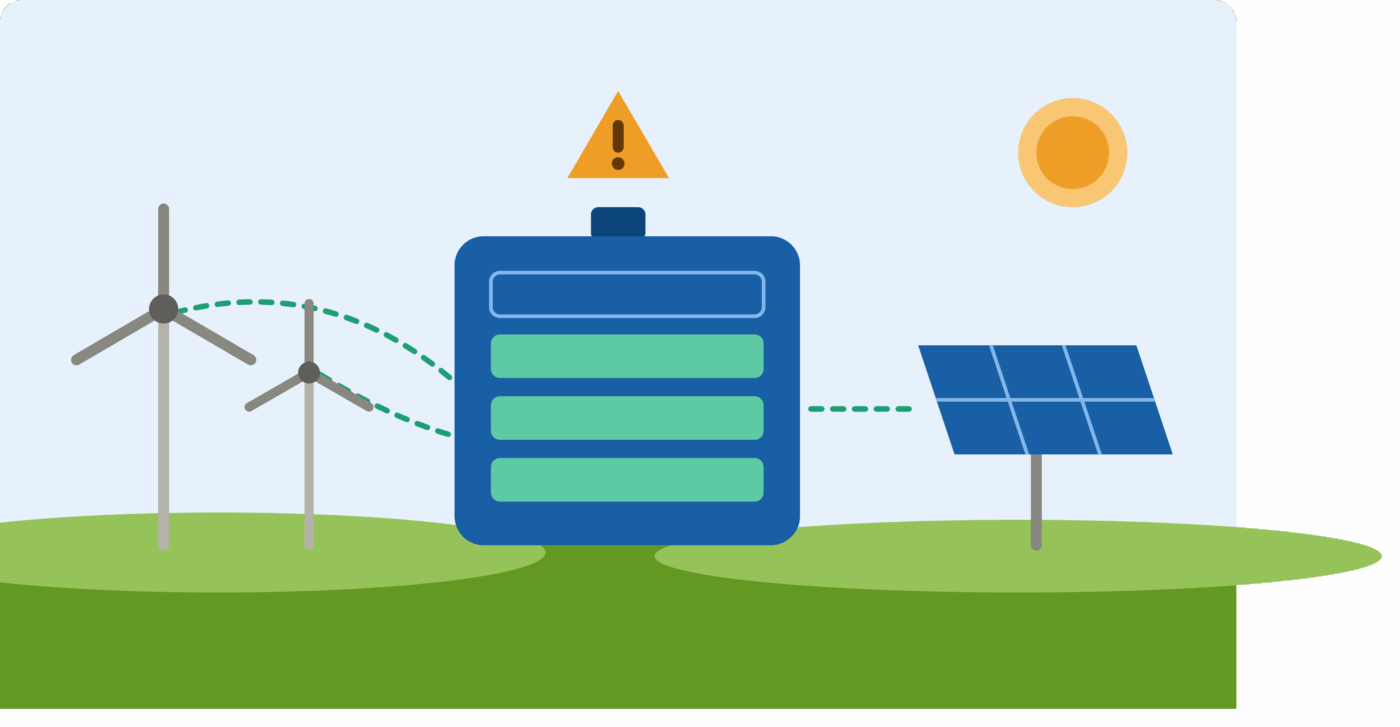
Battery Energy Storage Systems (BESS) are emerging as a crucial part of the answer. By storing electricity when supply is plentiful and releasing it when demand rises, battery storage can help balance the electricity grid, support renewable generation and improve the flexibility of the UK’s energy infrastructure.
However, this growing reliance on battery technology raises important questions. Can Britain build enough storage capacity to support its clean energy ambitions? Will the country become dependent on overseas battery supply chains? And what happens if the storage infrastructure needed to support the electricity system fails to keep pace with demand?
Battery storage could become one of the defining technologies of Britain’s energy future. Understanding its opportunities, limitations and potential risks is essential for policymakers, investors, energy developers and businesses preparing for a more electrified economy.
Why Battery Energy Storage Is Becoming Essential in the UK
The UK’s electricity mix is changing as wind and solar power take on a greater role in energy generation. These technologies can produce substantial amounts of low-carbon electricity, but their output varies according to weather conditions and the time of day.
Wind farms may generate more electricity than the system needs during particularly windy periods. Solar installations can produce significant amounts of power during daylight hours, while electricity demand may peak later in the evening.
Without sufficient flexibility, this mismatch can lead to renewable electricity being curtailed, increased pressure on the grid and greater reliance on other balancing resources.
Battery energy storage helps address this challenge by shifting electricity across different periods.
Balancing Supply and Demand
Electricity networks must continuously balance generation with consumption. Unlike many conventional fuels, electricity cannot simply be stored in unlimited quantities within the grid itself.
Battery systems provide a practical way to store electricity and return it to the network when required. They can respond rapidly to changing system conditions, making them valuable for short-term balancing and certain grid stability services.
Their ability to charge and discharge quickly can also help manage periods of high demand, although the amount of support available depends on battery capacity, state of charge and discharge duration.
Making Better Use of Renewable Energy
As renewable generation expands, the ability to store surplus electricity becomes increasingly valuable.
A battery connected to a solar farm, wind project or suitable grid connection can absorb electricity when generation is high and release it when conditions change. This can improve the usefulness of renewable generation and, where network constraints permit, reduce curtailment.
Battery storage does not eliminate the need for other forms of generation or longer-duration storage. However, it can make the wider energy system more flexible and efficient.
Is Britain Becoming Dependent on Battery Technology?
The term energy dependency traditionally describes a country’s reliance on imported fuels such as natural gas and oil. As the energy transition progresses, dependency is becoming more complex.
Britain may reduce some of its exposure to international fossil fuel markets while increasing its reliance on batteries, electricity networks, power electronics, digital control systems and the raw materials needed to manufacture them.
This does not mean battery storage is inherently a weakness. Rather, it highlights the importance of developing a resilient energy system that can withstand supply chain disruption, equipment shortages and changing international market conditions.
The Challenge of Battery Supply Chains
Many battery technologies depend on materials and manufacturing capabilities concentrated in particular countries. Lithium-ion batteries, widely used in stationary energy storage, can require materials such as lithium, graphite, nickel or cobalt, depending on the battery chemistry.
Lithium iron phosphate (LFP) batteries, for example, do not use nickel or cobalt in their cathodes, but they still depend on other materials and specialised manufacturing processes.
If Britain relies heavily on imported battery cells and critical components, disruption to international trade, manufacturing capacity or mineral processing could affect the cost and availability of new storage projects.
Developing diversified supply chains, strengthening recycling infrastructure and encouraging responsible procurement can help reduce these risks.
Building Domestic Energy Resilience
The UK does not need to manufacture every component domestically to achieve energy resilience. However, greater diversification across suppliers, stronger technical expertise and improved end-of-life management could reduce exposure to external shocks.
A resilient approach should consider the complete battery lifecycle, including:
- Access to battery cells and critical components.
- Reliable inverters, control systems and grid connection equipment.
- Cybersecurity for digitally managed energy assets.
- Maintenance capabilities and replacement parts.
- Battery recycling and responsible material recovery.
- Long-term operational support and emergency planning.
Energy independence is not simply about where electricity is generated. It is also about whether the infrastructure required to store, manage and deliver that electricity remains reliable under changing conditions.
The Investment Opportunity Behind Battery Energy Storage
Battery energy storage has attracted growing interest from infrastructure investors, renewable energy developers and businesses seeking greater control over their electricity consumption.
The commercial case is based on the ability of batteries to provide several services, rather than simply storing electricity for later use.
Depending on the project’s design and market participation arrangements, revenue may come from electricity trading, balancing services, frequency response, capacity-related mechanisms and other flexibility markets.
From Development Potential to Operational Performance
As the UK storage market matures, successful project delivery is becoming increasingly important.
An announced project pipeline does not automatically translate into operational capacity. Developers must navigate land acquisition, planning permissions, grid connection agreements, equipment procurement, construction, financing and commissioning.
Each stage can introduce uncertainty and affect the project’s financial performance.
Investors therefore need to assess more than the headline size of a proposed battery installation. They should consider connection milestones, equipment warranties, battery degradation, operating costs, revenue assumptions and the experience of the project delivery team.
Understanding the Risks
Battery storage is not a guaranteed investment.
Electricity market volatility can create opportunities, but it can also make revenue difficult to forecast. As more storage capacity enters the market, competition may reduce returns from some services.
Projects must also account for battery efficiency losses, degradation over time, maintenance, replacement costs, insurance, financing expenses and changing market rules.
The strongest investment cases are likely to be those built on realistic assumptions, robust engineering and a clear understanding of how the asset will operate throughout its lifetime.
Can Britain’s Electricity Grid Keep Up?
One of the most significant challenges facing the UK’s energy transition is the availability of suitable grid connections.
Battery storage projects require connections capable of accommodating their intended charging and discharging activities. However, renewable energy developments, new commercial demand, electric vehicle infrastructure and other electricity projects are competing for network capacity.
Connection delays can increase project costs, affect financing and postpone the delivery of additional storage capacity.
The Importance of Grid Connection Reform
Great Britain’s grid connection reforms are intended to prioritise projects that are aligned with system requirements and capable of progressing towards delivery.
For battery storage developers, this makes early planning and coordination with network operators particularly important.
A suitable project location must be assessed in terms of available network capacity, connection costs, technical requirements, planning considerations and the likely delivery timetable.
Grid access should be treated as a fundamental part of project feasibility rather than an issue to resolve after development work is complete.
Improving the Use of Existing Infrastructure
Building new electricity infrastructure remains important, but it can be costly and time-consuming.
Battery storage, flexible demand, improved forecasting and better network management can help make more efficient use of existing infrastructure in suitable circumstances.
Coordination between the National Energy System Operator (NESO), transmission and distribution network operators, developers and policymakers will be essential to ensuring that storage assets are located and operated where they can provide meaningful benefits.
Battery Storage Is Not a Complete Solution
Although battery energy storage is an important part of the energy transition, it should not be treated as a replacement for every other source of flexibility.
Most grid-scale lithium-ion battery projects are designed to provide power over a defined period. Their ability to respond quickly is valuable, but they cannot necessarily cover prolonged periods of low renewable generation without sufficient stored energy and recharging opportunities.
A dependable electricity system requires a combination of technologies and approaches.
These may include:
- Battery storage: Fast-response flexibility and short-duration energy shifting.
- Long-duration energy storage: Technologies designed to deliver energy over longer periods.
- Interconnectors: Electricity exchange with neighbouring markets, subject to available capacity and market conditions.
- Flexible generation: Dispatchable sources that can respond when renewable output is insufficient.
- Demand-side flexibility: Adjusting electricity consumption to align more closely with available supply.
- Network investment: Expanding and upgrading infrastructure to transport electricity where it is needed.
The most effective strategy is to combine these resources according to their technical capabilities, costs and contribution to overall system reliability.
Safety, Cybersecurity and Long-Term Reliability
As battery storage becomes more important to electricity infrastructure, its safe and reliable operation deserves greater attention.
Large battery installations contain substantial amounts of stored energy. Poor system design, equipment faults, inadequate maintenance or thermal runaway can create fire and safety risks.
Developers and operators must consider appropriate battery chemistry, system design, fire detection and suppression, separation distances, emergency access and coordination with local emergency services.
Operational monitoring and maintenance are equally important. Battery performance can deteriorate over time, while faults in inverters, cooling equipment or control systems may affect availability.
Cybersecurity is another important consideration. Modern storage installations use digital systems to monitor performance, respond to market signals and interact with electricity networks. Appropriate access controls, secure communications and incident response procedures can help protect these systems against cyber threats.
Reliability depends not only on installing suitable equipment but also on maintaining it throughout its operational life.
The Environmental Impact of Battery Storage
Battery energy storage can support the transition to a lower-carbon electricity system, but its environmental benefits depend on how batteries are manufactured, charged, operated and managed at the end of their useful lives.
Mining and processing raw materials can have environmental and social impacts. Battery manufacturing also requires energy and resources, while battery systems eventually need refurbishment, repurposing or recycling.
Responsible procurement and effective lifecycle management are therefore essential.
Battery recycling can help recover valuable materials and reduce the need for some virgin resources. However, the availability and economics of recycling depend on battery chemistry, collection systems, processing capacity and market conditions.
As the UK’s battery storage market expands, investment in recycling infrastructure and clearer end-of-life planning will become increasingly important.
What Does the Future Hold for Battery Storage in Britain?
Over the coming years, battery storage is likely to play an increasingly important role in Britain’s electricity infrastructure as renewable generation grows and demand patterns change.
The expansion of electric vehicles, heat pumps, data centres and electrified industrial processes may increase the need for flexible electricity supply. Battery systems can help manage some of this demand, particularly where they are integrated with renewable generation, smart energy management and appropriate market arrangements.
Technological improvements may also support greater efficiency, better monitoring and lower lifecycle costs. However, future deployment will depend on investment conditions, grid access, planning decisions, equipment availability and the economics of competing technologies.
The Role of Businesses and Industry
Businesses can explore battery storage as part of a broader energy management strategy. Depending on their consumption patterns and electricity arrangements, storage may help them make better use of on-site solar generation, manage periods of high demand or participate in eligible flexibility programmes.
For industrial and commercial organisations, the decision should be based on a detailed assessment of energy consumption, tariffs, operating schedules, installation costs and expected savings.
Battery storage may be particularly useful where electricity demand is predictable and there are clear opportunities to shift consumption or use stored renewable electricity. However, the benefits will vary from one site to another.
Turning Energy Dependency into Energy Resilience
Britain’s growing reliance on battery storage should encourage a wider discussion about how the country builds a secure and resilient energy system.
The objective should not be to avoid battery technology, but to ensure that its deployment is supported by diversified supply chains, suitable grid infrastructure, robust safety standards, skilled workers and effective regulation.
A balanced energy strategy will also recognise the importance of long-duration storage, flexible generation, interconnection and demand management.
By developing these resources together, Britain can reduce avoidable vulnerabilities while making better use of domestic renewable electricity.
Conclusion
Battery energy storage is becoming a central component of Britain’s changing energy landscape. It offers a practical way to manage renewable generation, balance electricity supply and demand and support a more flexible and efficient power system.
Yet the growth of battery storage also introduces new considerations, from international supply chain exposure and grid connection delays to investment risks, cybersecurity and environmental management.
Britain’s future energy security will depend on how effectively these challenges are addressed. Strong project delivery, responsible procurement, investment in infrastructure and a diverse mix of flexibility technologies will all be important.
The real objective is not simply to build more batteries. It is to create an energy system that can store, manage and deliver electricity reliably, affordably and sustainably.
As battery storage becomes more deeply integrated into the UK’s electricity network, decisions made today will help determine whether this emerging dependency becomes a source of vulnerability or a foundation for long-term energy resilience.
Frequently Asked Questions
Why is battery energy storage important to Britain’s energy future?
Battery storage helps manage fluctuations in renewable electricity generation, responds to changing demand and provides services that support grid stability and flexibility.
Is the UK becoming dependent on imported batteries?
The UK uses international battery supply chains for many cells and components. Diversifying suppliers, strengthening recycling and developing domestic expertise can help reduce supply chain risks.
Can battery storage replace gas-fired power stations?
Not entirely. Batteries can respond rapidly and provide valuable short-duration flexibility, but prolonged periods of low renewable generation may require other resources, including long-duration storage, interconnectors, flexible generation and demand-side measures.
Is battery energy storage a profitable investment?
Battery storage projects can generate revenue through electricity trading and grid services, but profitability depends on market conditions, capital costs, connection arrangements, operational performance and financing. Returns are not guaranteed.
What are the main challenges for battery storage in the UK?
Key challenges include grid connection availability, project financing, revenue uncertainty, battery degradation, safety management and dependence on international supply chains.
How can battery storage improve energy security?
It can help make electricity available when needed, reduce some forms of renewable energy curtailment and provide rapid-response grid services. Its contribution depends on storage duration, charging opportunities and the wider energy system.
What should businesses consider before investing in battery storage?
Businesses should assess electricity consumption, tariffs, available grid capacity, battery sizing, installation costs, safety requirements, maintenance and expected financial benefits before committing to a project.
