


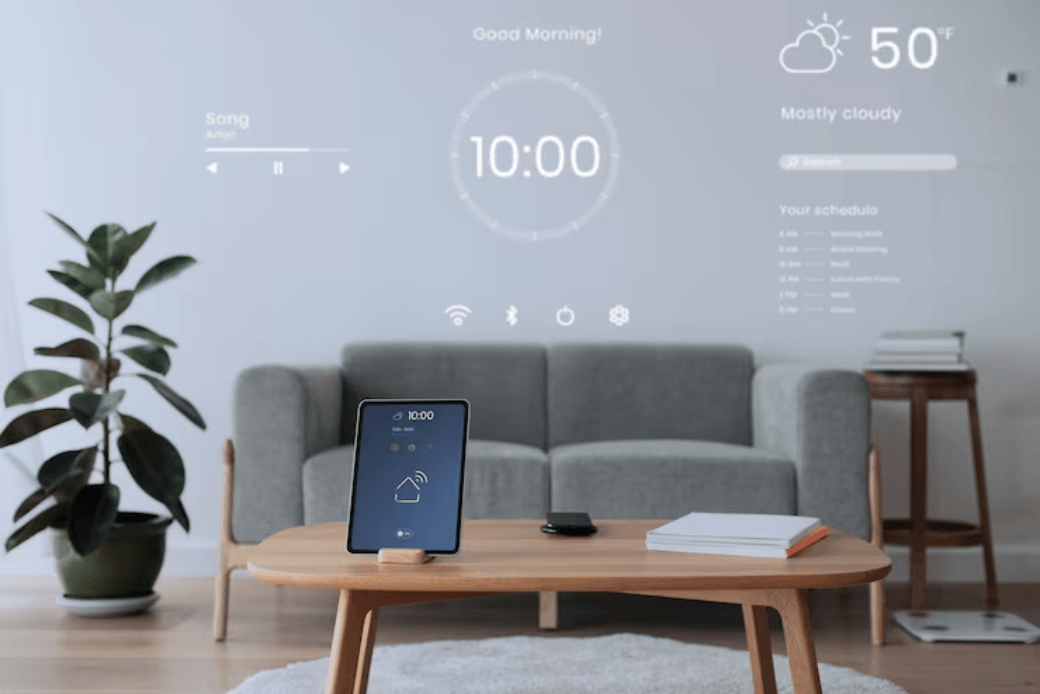
For years, the idea of a “smart home” was largely associated with convenience. Homeowners could control lighting, adjust thermostats or manage appliances remotely through a smartphone app. While these innovations undoubtedly improved comfort and efficiency, they represented only the beginning of what smart home technology could achieve.
Today, the conversation has shifted dramatically. Rising electricity prices, growing energy demand, increasing grid instability and the widespread adoption of rooftop solar systems have transformed the role of smart home technology. Modern homeowners are no longer focused solely on convenience—they are seeking greater control over how energy is generated, stored and consumed within their homes.
As a result, Smart Home Energy Management Systems (HEMS) have emerged as an essential component of modern energy-conscious households. These intelligent platforms help homeowners optimise energy usage, maximise solar self-consumption, reduce reliance on the grid and significantly lower electricity costs.
Whether you’re already generating solar power or exploring ways to make your home more energy efficient, understanding how a smart energy management system works can help you unlock substantial financial and environmental benefits.
What Is a Smart Home Energy Management System?
A Smart Home Energy Management System (HEMS) is a connected network of technologies designed to monitor, analyse and optimise energy usage across a residential property.
Rather than treating energy generation, storage and consumption as separate functions, a HEMS integrates them into one intelligent ecosystem. This enables homeowners to manage every aspect of their energy use through a single platform while allowing the system to make automated decisions that improve efficiency and reduce costs.
At its core, a smart home energy management system consists of two key components: hardware and software.
The Hardware Layer
The hardware infrastructure includes the physical devices responsible for producing, storing, measuring and consuming electricity, such as:
- Solar panels
- Solar inverters
- Smart electricity meters
- Battery storage systems
- Electric vehicle chargers
- Smart appliances and connected devices
Each component continuously collects and shares information about energy production and consumption.
The Software Layer
The software serves as the intelligence behind the system. Through a cloud-based platform or mobile application, homeowners gain access to real-time performance data, historical trends, energy analytics and automated controls.
This centralised platform transforms raw energy data into actionable insights, helping users understand where energy is being consumed and how they can optimise usage for maximum savings.
Together, these technologies create a connected energy ecosystem that operates more efficiently, reduces waste and supports greater energy independence.
How Smart Home Energy Management Systems Work
The effectiveness of modern energy management systems is powered by the Internet of Things (IoT), which enables connected devices to communicate and share data in real time.
Without a management system, solar panels, batteries, appliances and grid connections typically operate independently. While they perform their individual functions, they lack the intelligence needed to coordinate energy use efficiently.
A smart home energy management system acts as the central “brain” of the home, continuously analysing data and making intelligent decisions that optimise energy flow.
Real-Time Data Collection and Monitoring
The first step in effective energy management is visibility.
Smart meters and connected devices continuously collect data related to:
- Household electricity consumption
- Solar energy production
- Battery charge levels
- Grid imports and exports
- Appliance energy usage
- Electric vehicle charging activity
This information is transmitted securely to a cloud-based platform, allowing homeowners to monitor their energy performance from anywhere, at any time.
Rather than waiting for a monthly utility bill to understand energy usage, homeowners gain immediate insight into consumption patterns and opportunities for improvement.
Intelligent Automation and Energy Optimisation
Data alone does not create savings. The true value of a smart energy management system lies in its ability to act on that data automatically.
Advanced algorithms analyse:
- Historical energy consumption patterns
- Real-time usage behaviour
- Weather forecasts
- Solar generation forecasts
- Time-of-use electricity tariffs
- Grid conditions
Using this information, the system automatically determines the most cost-effective way to distribute energy throughout the home.
For example, excess solar energy generated during the day can be directed into battery storage rather than exported to the grid. Later, during peak pricing periods, the stored energy can be used to power the home, reducing the need to purchase expensive electricity.
This intelligent automation ensures energy is used when it delivers the greatest financial benefit.
The Benefits of Smart Home Energy Management
As energy costs continue to rise, homeowners are increasingly looking for solutions that deliver measurable savings while improving reliability and sustainability.
Smart home energy management systems provide advantages that extend far beyond basic monitoring.
Lower Electricity Bills Through Peak Shaving
Many electricity providers charge higher rates during periods of peak demand, typically in the late afternoon and evening.
A smart energy management system can automatically charge home batteries using excess solar power or low-cost off-peak electricity. When electricity prices rise, the stored energy is used instead of drawing power from the grid.
This strategy, known as peak shaving, can significantly reduce monthly energy costs while improving overall energy efficiency.
Maximised Solar Self-Consumption
One of the biggest challenges facing solar homeowners is ensuring that as much generated energy as possible is used within the home.
In many regions, feed-in tariffs for exported solar energy have declined substantially, reducing the financial benefit of sending excess electricity back to the grid.
A smart home energy management system prioritises self-consumption by directing surplus solar energy toward:
- Home appliances
- Battery storage
- Electric vehicle charging
- Scheduled household loads
This allows homeowners to capture more value from every kilowatt-hour generated by their solar system.
Greater Energy Independence
Dependence on the traditional electricity grid leaves households vulnerable to rising utility prices and unexpected outages.
By intelligently managing solar generation and battery storage, homeowners can dramatically reduce reliance on external energy providers.
During power outages, backup battery systems can automatically supply electricity to essential appliances, maintaining comfort, security and productivity even when the grid fails.
Improved Sustainability
Smart energy management systems also contribute to environmental goals by maximising the use of renewable energy.
By reducing dependence on fossil-fuel-generated electricity and improving overall energy efficiency, households can lower their carbon footprint while supporting the transition to a cleaner energy future.
The Future of Home Energy Is Intelligent
As energy technology continues to evolve, smart home energy management systems are becoming the foundation of modern residential energy infrastructure.
Rather than simply monitoring electricity usage, these systems actively optimise how energy is generated, stored and consumed. They help homeowners lower bills, maximise solar investments, improve energy resilience and gain greater control over their household energy ecosystem.
In an era where energy costs, sustainability goals and grid reliability are increasingly important, investing in intelligent energy management is no longer a luxury—it’s becoming a necessity for future-ready homes.
