


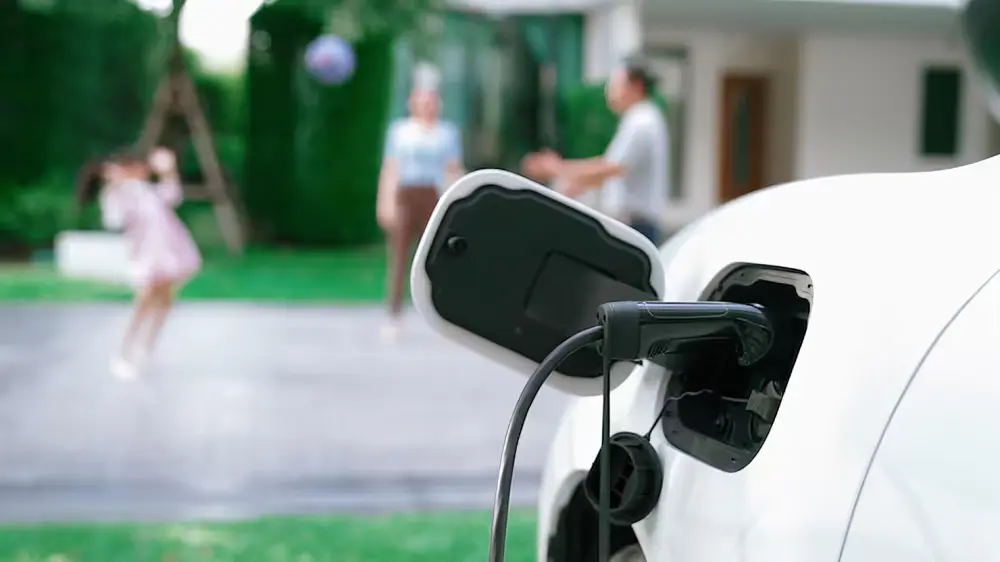
As electric vehicles continue to grow in popularity across the UK, home EV charging points have become a standard part of modern living. When operating correctly, they offer a fast, convenient and efficient way to charge your vehicle. However, if your charger begins to overheat, shut down unexpectedly or display warning messages, it’s a sign that something isn’t right.
At Resolve Home Energy, we regularly support homeowners and businesses in diagnosing and resolving EV charging issues. EV charger overheating should never be ignored, as it may point to installation faults, electrical overload or environmental stress. Addressing the issue early helps protect your property, vehicle and electrical system.
Is EV Charger Overheating Normal?
Some level of warmth during charging is completely normal. EV chargers handle high electrical loads for extended periods, which naturally generates heat.
However, it becomes a concern when you notice:
- The unit becomes excessively hot to touch
- Charging sessions stop without warning
- Temperature-related error codes appear
- Circuit breakers trip repeatedly
- A burning smell is present
Modern chargers are designed with thermal protection systems that reduce power or shut down when temperatures rise too high. If this happens frequently, it indicates an underlying issue that needs investigation.
Common Causes of EV Charger Overheating
Several factors can contribute to excessive heat build-up. Identifying the root cause is essential for a safe and lasting solution.
1. Inadequate Electrical Supply or Overloaded Circuits
Older properties or undersized electrical systems may struggle to support continuous EV charging loads. This can lead to overheating in wiring or protective devices.
Incorrect breaker ratings or insufficient cable sizing are common contributors.
2. Poor Installation or Loose Connections
Loose terminals or poorly fitted wiring increase electrical resistance, which directly generates heat. Even minor installation faults can escalate over time and lead to recurring overheating issues.
3. Poor Ventilation or Installation Location
Chargers installed in enclosed or poorly ventilated areas may trap heat. Garages without airflow or outdoor units exposed to direct sunlight are particularly vulnerable.
4. High Ambient Temperatures
Hot weather increases the overall thermal load on the system. When combined with continuous charging, this can trigger automatic safety shutdowns.
5. Damaged or Worn Charging Cables
Faulty cables can create resistance and localised heating. Look for signs such as:
- Cracked insulation
- Frayed or exposed wiring
- Loose or bent connectors
Warning Signs You Should Not Ignore
Even if your charger still works, these symptoms indicate a developing problem:
- Frequent breaker tripping
- Reduced charging speed without reason
- Buzzing, clicking or unusual sounds
- Discolouration around sockets or plugs
- Repeated error codes
Persistent overheating should always be checked by a qualified electrician.
Simple Troubleshooting Steps
Before calling a professional, you can safely check the following:
- Ensure the charger is not covered or obstructed
- Improve airflow around the unit
- Avoid charging during peak heat in direct sunlight
- Check that cables are securely connected
- Use reduced charging speeds if supported
If the issue continues, avoid further use until it is inspected.
When You Need a Professional Electrician
A qualified electrician will typically:
- Test electrical load capacity
- Inspect wiring and cable ratings
- Check for loose or faulty connections
- Verify circuit protection systems
- Ensure full installation compliance
Early diagnosis helps prevent long-term damage to both your charger and electrical system.
How to Prevent EV Charger Overheating
Prevention is always more cost-effective than repairs. To reduce risk:
- Use certified installers for all EV charger setups
- Ensure your consumer unit is properly rated
- Avoid overloading household circuits
- Schedule regular electrical inspections
- Keep charging equipment clean and well-ventilated
- Use manufacturer-approved cables only
Why Proper Installation Matters
Incorrect installation is one of the leading causes of overheating issues. A safe installation should include:
- Correct cable sizing for load demand
- Dedicated circuit protection
- Proper earthing and safety systems
- Surge protection where required
- Load balancing if multiple electrical systems are in use
A compliant setup ensures safe, stable and efficient charging performance.
Environmental Factors That Affect Performance
External conditions can significantly impact charger efficiency. Issues may arise from:
- Direct sunlight exposure
- Coastal air corrosion
- Dust or debris build-up
- Poor installation positioning
Choosing the right location helps maintain long-term reliability.
Can EV Charger Overheating Damage Your Vehicle?
Most modern EVs are equipped with safety systems that prevent battery damage. However, repeated interruptions in charging can reduce efficiency and convenience over time.
In some cases, overheating can also cause wear to connectors and charging components if left unresolved.
How Resolve Home Energy Can Help
At Resolve Home Energy, we provide expert EV charging solutions across installation, maintenance and fault diagnosis.
Our services include:
- EV charger installation
- Electrical capacity assessments
- Consumer unit upgrades
- Fault finding and repairs
- Ongoing maintenance support
We ensure your charging system is safe, compliant and built for long-term performance.
Final Thoughts
A slightly warm EV charger is normal—but consistent overheating is not. It’s an early warning sign that should be investigated promptly.
With proper diagnosis and professional support, most issues can be resolved quickly and safely. Acting early protects your home, your vehicle and your charging system.
If you are experiencing EV charger overheating or planning a new installation, contact Resolve Home Energy for expert support.
