


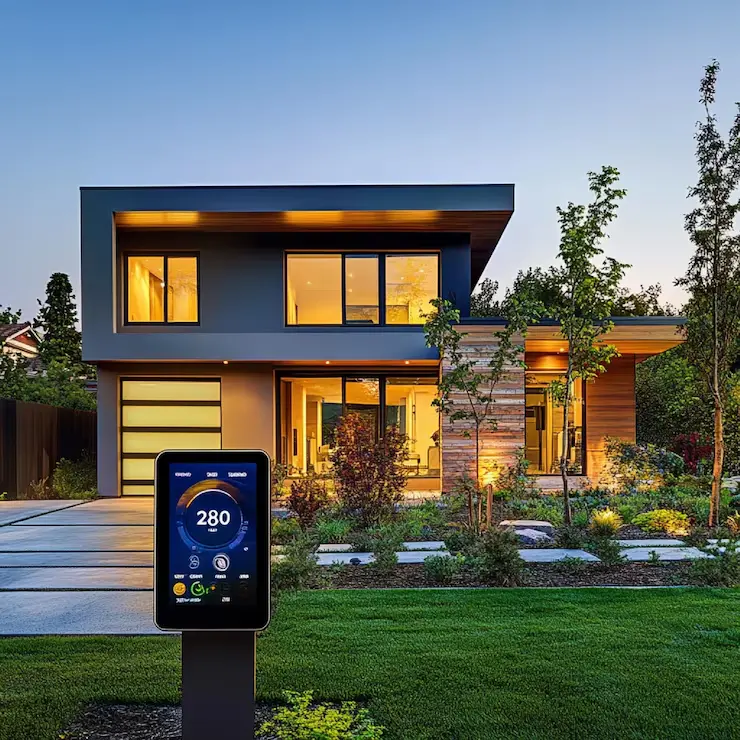
As more UK households invest in solar panels, battery storage, electric vehicles and low-carbon heating, managing energy at home is becoming increasingly sophisticated.
But with more technology comes another challenge: keeping track of everything.
A solar PV system may have one app, the battery another, while an EV charger or heating system could require a separate platform. Individually, these applications may work perfectly well, but together they can create a fragmented view of how energy is actually being generated, stored and used.
This is where integrated energy monitoring can make a real difference.
Rather than treating every device as a separate system, a connected platform brings key energy technologies together, giving homeowners and businesses a clearer picture of their energy performance from a single interface.
From Multiple Apps to One Energy Dashboard
The idea behind an all-in-one energy platform is straightforward: bring generation, storage, consumption and connected devices into one place.
For a modern UK property, this could mean monitoring:
- Solar PV generation
- Battery storage
- Household electricity consumption
- EV charging
- Smart meter data
- Low-carbon heating
- Energy import and export
- System performance and alerts
Instead of opening several applications to understand what is happening, users can access the information through one central dashboard.
This is becoming increasingly relevant as the UK’s energy system moves towards more decentralised generation, battery storage, electric vehicles and smart technologies. The Government’s energy digitalisation framework highlights the growing importance of connected systems, high-quality data and interoperability across energy technologies. (GOV.UK)
What Does an Integrated Energy Platform Actually Do?
An energy monitoring platform is more than a collection of graphs.
A well-designed system should combine three key elements: monitoring, control and automation.
Monitoring
Monitoring provides visibility over how the system is performing.
Depending on the equipment installed, users may be able to see solar generation, battery levels, household consumption, EV charging and energy imported from or exported to the grid.
Control
Control allows users to make changes rather than simply observe the data.
This could include setting charging schedules, adjusting battery behaviour or managing connected devices.
Automation
Automation takes this a step further by allowing certain actions to happen according to predefined conditions.
For example, connected systems may be able to respond to electricity prices, available solar generation or periods of higher and lower demand.
The result is a system that does more than tell you what your energy is doing—it can help you manage it more effectively.
Why Real-Time Energy Information Matters
Understanding energy use is becoming an increasingly important part of household energy management.
Smart meters already give UK consumers access to detailed information about electricity and gas consumption, while In-Home Displays can provide near-real-time information about energy use and cost. Government guidance also recognises that this information can help consumers make more informed decisions about how they use energy. (GOV.UK)
When this information is combined with renewable technologies, the picture becomes even more useful.
A homeowner could see when their solar panels are producing electricity, whether excess generation is being stored in a battery and when an EV is drawing power. Rather than looking at each element independently, the relationship between them becomes much easier to understand.
Making Better Use of Solar Generation
Solar panels do not necessarily generate electricity at the exact time a household needs it.
Generation can be strongest around the middle of the day, while household demand may increase in the morning and evening.
An integrated system can help users understand this relationship.
For example, surplus solar generation could potentially be used to charge a battery or power an EV rather than being immediately exported. Stored energy could then be available when solar generation falls.
This does not mean every system will operate in exactly the same way. Tariffs, system design, battery capacity, household consumption and export arrangements all influence the best approach.
However, having the information available in one place makes those decisions considerably easier.
Battery Storage Becomes Easier to Understand
Battery storage can add another layer of complexity to a renewable energy installation.
Homeowners may want to know:
- When the battery is charging
- How much energy it currently holds
- When it is discharging
- How much energy is being supplied to the property
- How much solar energy is being stored
- How much electricity is being imported from the grid
A unified monitoring platform can bring these details together rather than forcing users to interpret separate sets of information.
Government guidance on home batteries also highlights the role of smart apps, timers and flexible tariffs in helping households manage electricity use more effectively. (Clean Energy Homepage)
Smarter EV Charging
The rise of electric vehicles is another reason integrated energy management is becoming more valuable.
An EV can represent a substantial additional electricity load, particularly when charging coincides with other household demand.
Smart charging technology is designed to provide greater flexibility over when a vehicle charges. UK regulations for smart charge points recognise the value of charging at times when electricity demand is lower or when more renewable electricity is available. (GOV.UK)
When EV charging information is displayed alongside solar and battery data, homeowners can gain a much clearer understanding of how their vehicle fits into the wider energy system.
What Should You Look for in a Single Energy Platform?
Not every platform marketed as “all-in-one” provides the same level of integration.
Before choosing a supplier or system, look beyond the number of devices it claims to support.
1. Device Compatibility
Start by listing every technology you currently have or may install in the future.
This could include:
- Solar panels and inverters
- Battery storage
- EV chargers
- Smart meters
- Heat pumps
- Energy management devices
Then check whether the platform supports these technologies directly.
2. A Single Account
The convenience of an integrated system is significantly reduced if every device still requires a separate account.
Ideally, users should be able to access their key energy information through one login and a consistent interface.
3. Clear, Useful Data
More information does not necessarily mean better information.
A good dashboard should make important figures easy to understand, including generation, consumption, battery status and energy flows.
Historical data can also help users identify trends and compare performance over different days, months or seasons.
4. Alerts and Notifications
Monitoring becomes particularly useful when the system can highlight unusual behaviour.
Fault notifications, system warnings and other alerts can help users identify potential problems sooner rather than discovering them when performance has already been affected.
5. Remote Access
Being able to check the system remotely can be valuable for both homeowners and businesses.
For larger installations, browser-based access can also allow multiple authorised users to review performance without relying on a single device or account.
One Platform Can Mean Less Day-to-Day Friction
The biggest advantage of integrated monitoring may not be a technical feature at all.
It is simplicity.
When several energy technologies operate independently, users can end up spending unnecessary time moving between apps, checking different dashboards and trying to understand information presented in different formats.
A connected platform creates a more consistent experience.
For homeowners, this can make everyday energy management easier. For businesses and property managers, it can reduce the complexity involved in monitoring multiple energy assets.
The Benefits Extend Beyond the Home
Integrated energy monitoring is not limited to residential properties.
Commercial buildings, offices, industrial premises and other larger sites may have multiple energy assets operating simultaneously.
A business could have solar generation, battery storage, EV charging infrastructure and multiple meters, creating a much more complex energy environment.
In these situations, centralized monitoring can provide greater visibility and make it easier for facilities or energy teams to identify performance issues, review consumption and manage connected assets.
The larger the system becomes, the more important clear and accessible information can be.
Choosing a System That Can Grow With You
One of the biggest mistakes when selecting an energy management platform is focusing only on today’s requirements.
A homeowner installing solar panels today may consider adding battery storage or an EV charger later. A business may initially install solar generation before expanding its energy infrastructure.
Choosing a system that can accommodate additional technologies can therefore provide greater flexibility over the long term.
The UK’s energy landscape is continuing to evolve, with greater use of renewable generation, storage, EVs and smart technologies. Government policy is also increasingly focused on making energy data accessible and enabling a more flexible, connected energy system. (GOV.UK)
The Future of Renewable Energy Is Connected
Renewable energy is no longer simply about generating electricity from solar panels.
Modern energy systems increasingly involve a combination of generation, storage, smart charging, flexible tariffs, connected appliances and energy management.
That makes the software and monitoring layer just as important as the hardware.
A single, connected platform can help bring these technologies together, giving users greater visibility over where their energy comes from, where it is stored and how it is being used.
Conclusion
The move towards smarter, more connected energy systems is changing the way UK homes and businesses manage electricity.
Instead of relying on several disconnected applications, an integrated platform can bring solar generation, battery storage, EV charging and energy consumption together through a single interface.
When choosing a system, however, it is important to look beyond the promise of “one app”. Consider device compatibility, data quality, control options, automation, alerts, remote access and future scalability.
The real benefit of one app and one login is not simply convenience. It is having a clearer, more connected view of your entire energy system—and the ability to make smarter decisions with the information it provides.
