


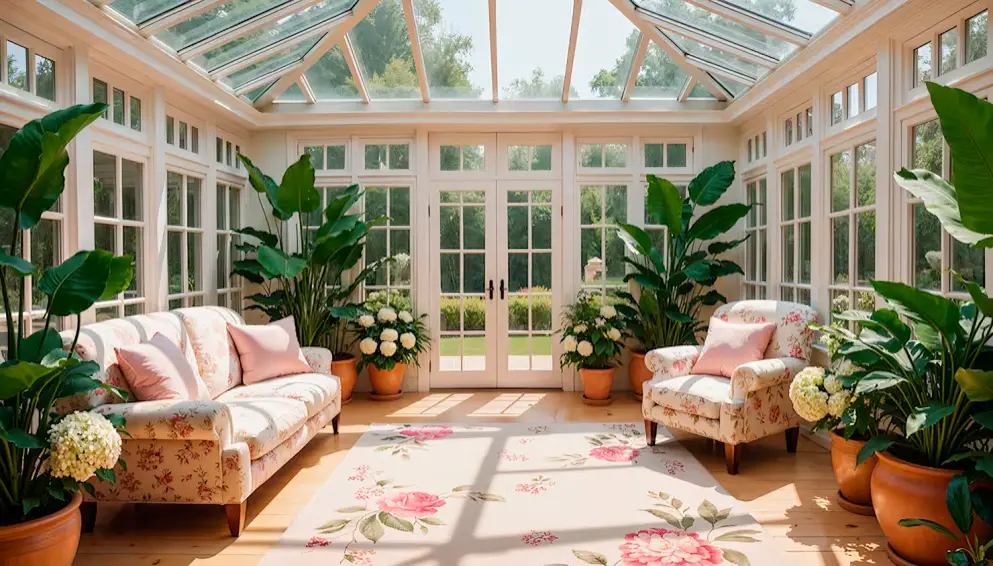
Conservatories are designed to maximise natural light and create a bright, comfortable extension of the home. Because of this, many homeowners in the UK look at the roof space and wonder whether it could also be used to generate solar energy.
While the idea makes sense in principle, conservatory roofs are not typically designed for solar panel installation. Their structure, materials and intended function all create important limitations that need to be understood before considering such a project.
This guide explains whether solar panels can be installed on a conservatory roof, the key structural and performance challenges involved and the most practical alternatives for UK homes.
How Conservatory Roofs Differ from Standard House Roofs
Most conservatory roofs in the UK are lightweight structures built for daylight rather than load-bearing capability. Common materials include:
- Glass panels for maximum light transmission
- Polycarbonate sheets for insulation and low weight
- Aluminium framing systems with glazing
These materials are not designed to carry heavy, fixed installations.
Solar panels, on the other hand, require:
- Secure structural mounting into rafters or load-bearing beams
- Correct tilt and orientation for efficient energy generation
- Long-term weatherproof sealing and stability
Because conservatory roofs are designed around light transmission rather than structural support, they rarely meet the requirements for standard solar panel systems.
Can Solar Panels Be Installed on a Conservatory Roof?
In most UK cases, the answer is no — not directly.
1. Structural weight limitations
Conservatories are not engineered to support the additional load of solar panels, mounting rails and fixings. Installing panels can lead to:
- Frame stress and distortion
- Damage to glazing units
- Increased risk of leaks over time
2. Poor orientation and roof pitch
For best performance in the UK, solar panels typically need a roof angle of around 25°–40° and a south or south-west facing direction.
Most conservatories:
- Have shallow or flat roof pitches
- Are positioned for garden light rather than solar efficiency
- Often suffer shading from the main house or nearby structures
This significantly reduces potential energy generation.
3. Warranty, planning and insurance concerns
Installing solar panels on a structure not designed for them may:
- Void conservatory manufacturer warranties
- Raise building regulation compliance issues
- Create insurance complications if damage occurs
For these reasons, most professional solar installers in the UK avoid mounting panels directly onto conservatory roofs unless the structure has been specifically engineered for it.
Practical Installation Challenges
Even where installation is considered, there are several practical difficulties.
Fixing and waterproofing issues
Solar panels normally require secure fixing into roof rafters. Conservatory roofs do not have the same structural framework, making secure installation difficult without risking water ingress or seal damage.
Safety and access
Working on glazed or fragile roof surfaces increases installation risk and complexity. This can also increase labour time and overall cost.
Impact on internal light and temperature
Adding panels reduces natural light into the conservatory and can change heat dynamics inside the space. While this may provide shading benefits, it is not the primary purpose of solar installations.
How Conservatory Roof Materials Affect Solar Efficiency
Even if installation were possible, performance would be limited by the roof materials themselves:
- Light loss through glazing or polycarbonate reduces energy capture
- Suboptimal angles reduce generation efficiency
- Heat build-up can slightly reduce panel performance in summer conditions
As a result, output would generally be lower than a properly installed system on a standard pitched roof.
Better Alternatives for Solar Installation
If your conservatory roof is unsuitable, there are several more effective options available in UK homes.
1. Main house roof installation
This is the most common and efficient option. A pitched roof typically provides:
- Better angle and orientation
- Stronger structural support
- Higher long-term energy yield
2. Ground-mounted solar systems
If you have garden space, ground-mounted panels can be an excellent alternative. They allow:
- Optimal positioning for sunlight
- Easier maintenance access
- Flexible system sizing
3. Integrated solar or specialist glazing solutions
Some modern systems combine solar technology with roofing or glazing materials. These can:
- Maintain light levels in conservatories
- Provide partial energy generation
- Require bespoke design and higher investment
Conclusion
While it may seem efficient to use a conservatory roof for solar panels, in most UK homes it is not a practical or safe option. Structural limitations, reduced efficiency and compliance issues make it unsuitable for standard installations.
Instead, main roof spaces or ground-mounted systems provide far better performance and long-term reliability.
If you are considering solar energy for your home, it is worth getting a professional assessment of your roof orientation, shading and energy needs to determine the most effective setup for your property.
