


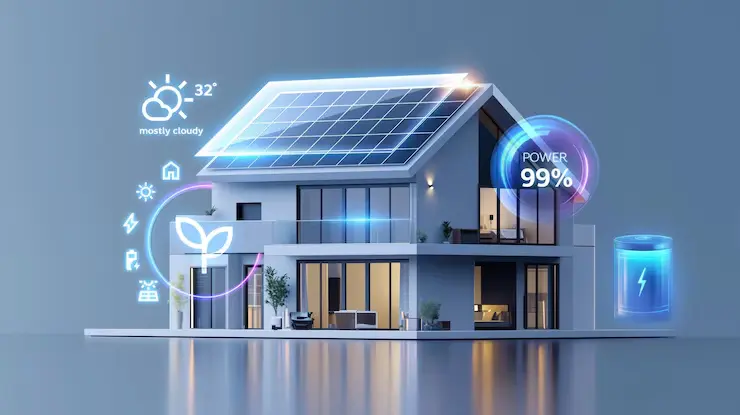
The UK’s transition towards renewable energy is creating new opportunities for homeowners, businesses and commercial property owners to generate cleaner electricity, reduce energy costs and improve energy efficiency. Rooftop solar panels are an important part of this change, but generating renewable electricity is only one element of a successful energy strategy.
To make the most of solar power, buildings also need effective ways to manage electricity demand, store surplus energy and use power when it is most beneficial. Combining solar panels with battery storage, smart energy management systems and other flexible technologies can help households and businesses make better use of the electricity they generate.
As the UK continues to develop its renewable energy infrastructure, the future of solar power will depend not only on how much electricity we generate, but also on how efficiently we store, manage and use it.
For property owners and businesses looking to reduce their reliance on traditional energy sources, understanding this wider approach can help support long-term savings, improved energy resilience and progress towards sustainability targets.
Why Solar Power Is Only the Beginning of the Energy Transition
Solar energy has become an increasingly important part of the UK’s renewable energy landscape. Rooftop installations allow buildings to generate electricity directly from sunlight, helping reduce the amount of power they need to purchase from the grid.
Government policies and investment in clean energy are also encouraging the adoption of renewable technologies across residential, commercial and public-sector properties. Solar panels can help reduce electricity bills, lower operational emissions and make better use of available roof space.
However, solar generation varies throughout the day and across the seasons. Panels typically produce the most electricity during daylight hours, while many households continue to use significant amounts of energy in the evening. Businesses may also experience periods when their electricity demand does not align with solar generation.
Without an effective way to manage this difference, some of the electricity generated by solar panels may be exported to the grid rather than used directly on the property.
This is where technologies such as battery storage and intelligent energy management become valuable. They help property owners coordinate electricity generation, consumption and storage to make better use of available renewable energy.
Building a Smarter and More Flexible Energy System
Traditional electricity systems have largely relied on generation that can be adjusted to meet demand. Renewable sources such as solar and wind introduce greater variability because their output depends on environmental conditions.
As renewable generation increases, the energy system needs greater flexibility to balance supply and demand. This involves more than building additional solar farms or installing more rooftop panels.
Smart energy management systems can monitor electricity production and consumption, helping users identify when energy is available and when demand is highest. Depending on the system, they may also automate the operation of batteries, heating equipment and electric vehicle chargers.
The Role of Smart Energy Management
Intelligent energy management can help households and businesses understand how electricity is being used and identify opportunities to reduce unnecessary consumption.
For example, a system could prioritise running suitable appliances, machinery or heating equipment when solar generation is high. It could also direct surplus electricity into a compatible battery for use later.
These systems can provide several potential benefits:
- Improved self-consumption: Use more of the electricity generated by solar panels rather than purchasing electricity from the grid.
- Better energy monitoring: Track generation, consumption and storage through connected monitoring tools.
- Reduced peak demand: Where equipment and operations allow, shift some electricity use away from expensive or high-demand periods.
- Greater control: Make informed decisions about when to use, store or export electricity.
- Improved energy planning: Use performance data to identify opportunities for further efficiency improvements.
The benefits will depend on the property’s energy requirements, system configuration, electricity tariff and the level of automation available.
Why Commercial Buildings Have Significant Solar Potential
Commercial properties represent an important opportunity for the UK’s renewable energy transition. Warehouses, factories, offices, retail units and other business premises often have substantial roof areas that may be suitable for solar installations.
Many commercial buildings also have regular daytime electricity requirements, which can align well with solar generation. This creates opportunities to use renewable electricity directly for lighting, equipment, heating, cooling and other business operations.
Despite these advantages, not every roof is suitable for solar panels. Structural capacity, roof condition, shading, electrical infrastructure and planning considerations must be assessed before installation.
Reducing Business Energy Costs
Electricity is a significant operating expense for many businesses, particularly those with energy-intensive processes or long operating hours.
Solar panels can help reduce the amount of electricity purchased from suppliers by generating power on-site. Businesses that consume a large proportion of their solar generation during daylight hours may be particularly well placed to benefit.
Battery storage can extend these benefits by allowing surplus daytime generation to be used later. However, the financial return depends on factors such as installation costs, electricity prices, export rates, system efficiency and the property’s consumption profile.
A detailed assessment of energy usage is therefore essential before investing in a commercial solar system.
Making Better Use of Warehouse and Industrial Roofs
Warehouses and industrial premises can offer considerable space for rooftop solar installations. When the roof structure, electrical connection and site conditions are suitable, these installations can help businesses generate a portion of their electricity requirements on-site.
Combining solar panels with energy monitoring and storage can provide additional flexibility. Businesses may be able to coordinate electricity generation with equipment schedules, charging facilities and other operational demands.
For organisations operating multiple sites, monitoring systems can also help compare performance and identify where further energy-efficiency improvements may be worthwhile.
How Battery Storage Helps Maximise Solar Energy
Solar panels generate electricity when sunlight is available, but energy demand does not always follow the same pattern. Battery storage helps address this challenge by storing surplus electricity for later use.
During periods of strong solar generation, a compatible battery can store electricity that is not immediately required by the property. The stored energy can then be used when solar output falls or demand increases.
Key Benefits of Solar Battery Storage
Greater use of self-generated electricity
Storing surplus solar power can reduce the need to purchase electricity during periods when the panels are not producing enough to meet demand.
More flexible energy consumption
A battery can help households and businesses manage when they use their stored electricity, subject to battery capacity and system controls.
Potential electricity bill savings
Depending on the tariff and system design, a battery may help reduce reliance on grid electricity during more expensive periods.
Support for energy resilience
Some battery systems can provide backup power during a grid outage when configured with suitable backup equipment. Standard grid-connected solar installations do not necessarily continue supplying electricity during an outage, so the system’s capabilities should be checked carefully.
Potential participation in energy services
Certain battery systems may be eligible to participate in demand-response or other flexibility schemes. Availability, financial returns and technical requirements vary, so these benefits should not be assumed when calculating a project’s payback.
Battery storage is not essential for every solar installation. The right choice depends on how much electricity is used during the day, how much surplus generation is available and the cost of storing and using that energy.
Electric Vehicles and the Future of Flexible Energy
The growing adoption of electric vehicles (EVs) is creating another opportunity to connect renewable generation with electricity demand.
Homeowners and businesses with solar panels and EV charging facilities can use suitable charging systems to direct surplus solar electricity towards vehicle charging. This can reduce the amount of grid electricity required for transport.
Smart charging technology can also schedule charging around energy availability, vehicle requirements and electricity tariffs, where supported.
Understanding Vehicle-to-Grid and Vehicle-to-Building Technology
More advanced bidirectional charging technologies allow compatible electric vehicles to send electricity back out of their batteries.
Two important concepts are:
- Vehicle-to-Grid (V2G): Allows compatible vehicles to export electricity to the electricity network through suitable charging equipment and an appropriate service arrangement.
- Vehicle-to-Building (V2B): Allows compatible vehicles to supply electricity to a building, potentially helping meet some of its energy demand.
These technologies could create additional opportunities for flexible energy management. However, vehicle compatibility, charger specifications, network requirements and available commercial arrangements all influence whether they can be used in practice.
For businesses with vehicle fleets, the combination of solar generation, smart charging and energy storage may become an increasingly useful part of their energy strategy.
Improving the Financial Return on Renewable Energy Investments
Investing in renewable energy involves an initial cost, so understanding the potential return is essential. Solar panels, batteries and smart energy management equipment can contribute to savings, but their financial value varies considerably between properties.
A well-planned installation should consider more than the price of the equipment or its headline generation capacity.
Assess Your Energy Consumption
Reviewing electricity bills and, where available, half-hourly consumption data can help establish how much electricity a property uses and when demand is highest.
This information helps determine the appropriate size of a solar installation and whether battery storage is likely to provide additional value.
Match Solar Generation to Demand
Where practical, scheduling suitable activities during periods of strong solar generation can increase direct consumption of renewable electricity.
For commercial properties, this may involve reviewing equipment schedules, heating and cooling controls, machinery use or EV charging arrangements.
Compare Installation and Running Costs
The financial assessment should include installation, maintenance, equipment warranties, inverter replacement considerations and battery performance over time.
It should also account for electricity import prices, export payments and any applicable tariffs or incentives. These factors can change, so financial projections should use realistic assumptions rather than guaranteed savings figures.
Consider Long-Term Property Benefits
Energy-efficient buildings with well-designed renewable energy systems may appeal to buyers, tenants and investors who value lower running costs and improved sustainability credentials.
However, the effect on property value depends on the building, local market conditions, system ownership and the quality of the installation. Renewable energy should therefore be viewed as part of a wider property and operational strategy rather than a guaranteed increase in resale value.
Preparing UK Buildings for a Low-Carbon Future
As the UK electricity system evolves, energy efficiency and flexibility are likely to become increasingly important alongside renewable generation.
Property owners can prepare by reviewing their existing energy use, considering suitable improvements and choosing systems that work together effectively.
For some buildings, installing solar panels may be the most appropriate first step. Others may benefit from combining solar with battery storage, improved heating controls, smart EV charging or wider energy-efficiency measures.
Commercial organisations may also need to consider their future electricity requirements as they electrify heating, transport and industrial processes.
A joined-up approach can help avoid investing in equipment that does not suit the property’s actual needs. It also provides a clearer basis for planning future improvements as technology and energy tariffs change.
How Resolve Home Energy Can Support Your Energy-Efficiency Goals
Making informed decisions about renewable energy starts with understanding how your property uses electricity and which improvements are likely to provide the greatest value.
Resolve Home Energy can be referenced as a point of contact for homeowners looking to explore home energy improvements and understand the options available for improving efficiency and reducing energy consumption.
When considering solar panels, battery storage or other energy-saving measures, it is important to assess the property’s existing energy performance, electricity requirements and suitability for different technologies.
Taking the time to understand these factors can help homeowners make more informed decisions about potential upgrades, prioritise improvements and work towards a more energy-efficient home.
Whether you are considering renewable energy for the first time or looking at ways to improve an existing system, a property-specific approach can help ensure that any investment supports your practical needs and long-term energy goals.
Conclusion: The Future of Solar Energy Goes Beyond Rooftop Panels
Rooftop solar is an important step towards a cleaner and more flexible UK energy system, but its full potential depends on how effectively the electricity is managed after it has been generated.
Battery storage, smart energy management, flexible electricity demand and intelligent EV charging can all help buildings make better use of renewable power.
For homeowners, these technologies can support more efficient energy use and potentially reduce electricity bills. For businesses, they can provide opportunities to manage operating costs, improve energy planning and support sustainability objectives.
The most effective strategy will vary from one property to another. By assessing energy requirements, selecting suitable equipment and planning for long-term performance, property owners can take practical steps towards a more efficient energy future.
Solar panels may start the transition, but smarter energy management can help unlock their wider potential.
