


Solar power has become one of the most talked-about ways to reduce household energy costs in the UK. Traditionally, installing solar panels has meant having a professionally designed system mounted on the roof, connected to the home’s electrical system and registered with the relevant authorities.
Now, a simpler option is gaining attention: plug-in solar panels.
Designed for balconies, gardens, walls and other suitable outdoor spaces, plug-in solar aims to make solar energy more accessible to households that may not have a suitable roof or may not want the cost and disruption associated with a conventional solar PV installation.
The UK Government announced plans in 2026 to enable plug-in solar, with safety requirements being developed for products sold and used in Britain. (GOV.UK)
But does plug-in solar really offer good value or is it simply another renewable-energy trend?
What Are Plug-In Solar Panels?
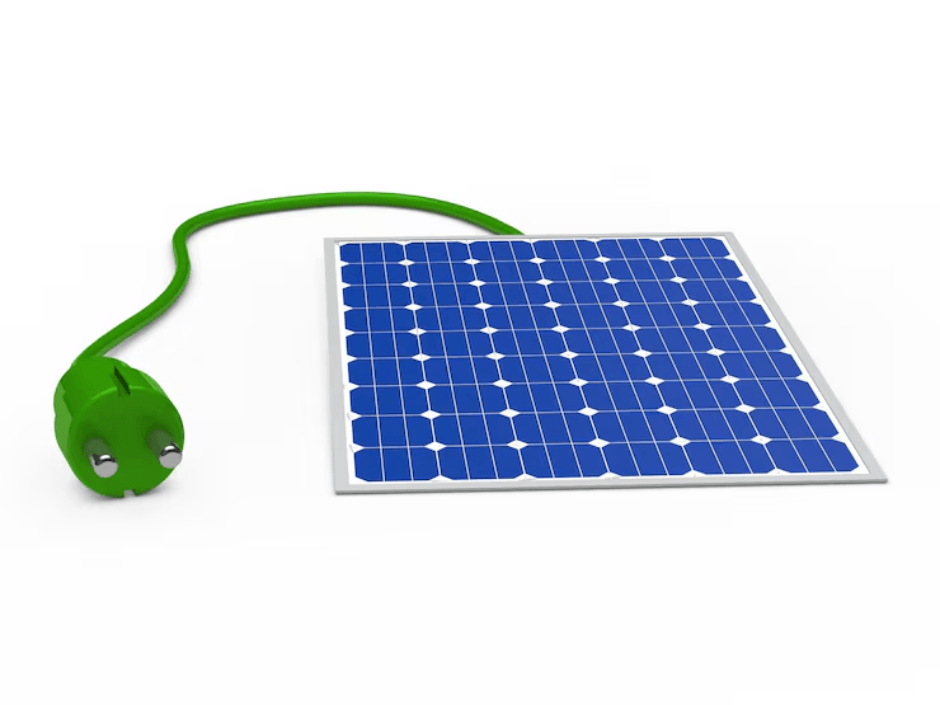
Plug-in solar panels are compact solar photovoltaic systems designed to generate electricity without the type of permanent rooftop installation normally associated with domestic solar PV.
The concept is relatively straightforward. Solar panels capture sunlight and convert it into electricity. An inverter converts the generated electricity into usable AC electricity, which can then be used within the property.
The systems being developed for the UK market are intended to provide a more accessible option for people such as renters, flat owners and households without suitable roof space.
The Government has specifically highlighted potential applications on balconies, gardens and walls. (GOV.UK)
However, “plug-in” does not mean that any solar panel can simply be connected to an ordinary household socket. UK requirements are being developed around product safety, electrical protection and grid connection.
Why Is Plug-In Solar Becoming Popular in the UK?
Several factors are driving interest in plug-in solar.
1. Rising Interest in Lower Energy Bills
Households are increasingly looking for ways to reduce their reliance on electricity from the grid. Generating some electricity at home can reduce the amount of power that needs to be purchased from an energy supplier.
2. Not Every Home Has a Suitable Roof
Traditional solar panels generally work best when there is adequate roof space with suitable orientation, limited shading and appropriate structural conditions.
That can be difficult for:
- Flats and apartments
- Rented properties
- Homes with heavily shaded roofs
- Properties with unsuitable roof structures
- Buildings where rooftop installation is impractical
Plug-in solar could provide another route for these households.
3. Lower Installation Complexity
A conventional solar PV system normally involves design, installation, electrical work and grid-related procedures.
The appeal of plug-in solar is that smaller systems can potentially be much simpler to deploy, subject to UK safety requirements.
4. Growing Consumer Interest in Renewable Energy
Solar technology is becoming increasingly visible in UK homes. The Government has also highlighted rooftop solar as an important part of increasing domestic renewable-energy generation. (GOV.UK)
Are Plug-In Solar Panels Legal in the UK?
This is one of the most important questions to understand.
The legal and regulatory position has been evolving rapidly during 2026.
The Government’s June 2026 consultation stated that plug-in solar microgenerators could not then legally be sold, supplied or used in the UK under the existing regulatory framework. (GOV.UK)
The Government subsequently proposed changes intended to allow compliant plug-in solar devices to be sold and used safely. Only devices meeting the applicable interim product specification would qualify under the proposed regulatory changes. (GOV.UK)
This means consumers should be cautious about buying generic imported “balcony solar” products simply because they are advertised online as suitable for the UK.
Always check that a product is specifically compliant with the current UK requirements before purchasing or connecting it.
The rules can also change as the regulatory framework develops.
How Do Plug-In Solar Panels Work?
The basic process is similar to conventional solar PV.
Step 1: Solar panels capture sunlight
Photovoltaic cells absorb sunlight and produce DC electricity.
Step 2: An inverter converts the electricity
The inverter changes DC electricity into AC electricity suitable for use within the property.
Step 3: The generated electricity can offset household demand
When the system is generating electricity, it can reduce the amount of electricity that needs to be drawn from the grid, depending on the system design and household consumption.
Step 4: Any surplus requires careful consideration
If the system generates more electricity than the property is using, the treatment of that surplus depends on the system, connection arrangements and applicable UK requirements.
This is one reason why choosing a compliant system is essential.
What Are the Benefits of Plug-In Solar Panels?
Affordable Entry Into Solar Energy
One of the biggest attractions is accessibility. A smaller solar system can potentially provide a lower-cost entry point compared with a full rooftop installation.
However, cheaper does not automatically mean better value. The cost should always be considered alongside expected electricity generation, product quality, lifespan and installation requirements.
Suitable for Some Flats and Rental Properties
People who cannot install rooftop solar may find plug-in systems particularly appealing.
For example, a flat owner may have limited access to the roof, while a tenant may not have permission to make permanent alterations to a property.
A portable or less permanent solar solution could therefore make renewable energy more accessible.
Simple Installation Concept
The technology is designed around a relatively straightforward installation concept compared with conventional solar PV.
That does not remove the need to follow electrical and product-safety requirements.
Potential to Reduce Grid Electricity Use
Every unit of electricity generated and used within the home can potentially reduce the amount of electricity purchased from the grid.
The actual saving will depend on the system’s output, location, weather conditions and how much electricity the household uses while the panels are producing power.
Small Physical Footprint
Plug-in solar systems are generally intended to be compact.
This can make them attractive where conventional solar panels would not be practical because of limited roof space.
What Are the Disadvantages of Plug-In Solar?
Plug-in solar isn’t suitable for everyone.
Limited Generation Capacity
A small plug-in system cannot normally generate as much electricity as a larger rooftop solar PV array.
A household with substantial electricity consumption should therefore avoid assuming that a small panel system will significantly reduce its entire annual electricity bill.
UK Weather Still Matters
Solar panels work in daylight rather than only in bright sunshine, but output varies considerably depending on weather, season, orientation and shading.
During the darker winter months, generation can be substantially lower than during summer.
Installation Location Is Important
Where the panels are positioned can have a major effect on performance.
A heavily shaded balcony, north-facing wall or obstructed garden area may produce significantly less electricity than a well-positioned installation.
Not Every Product Is Suitable for the UK
This is particularly important as plug-in solar becomes more widely advertised.
A product designed for another country’s electrical system or regulatory framework should not automatically be assumed to be suitable for UK use.
Potentially Limited Financial Return
Because plug-in systems are relatively small, the financial savings may also be modest.
The best approach is to calculate expected generation and compare it with the complete purchase and installation cost rather than relying on headline claims.
Plug-In Solar vs Traditional Rooftop Solar
Both technologies use photovoltaic solar generation, but they serve different purposes.
| Feature | Plug-In Solar | Traditional Rooftop Solar |
| Typical scale | Smaller | Larger |
| Installation | More compact | Professional installation |
| Roof required | Usually no | Usually yes |
| Suitable for flats | Potentially | Often more difficult |
| Suitable for renters | Potentially, with permission | Often less practical |
| Electricity generation | Lower | Higher |
| Initial cost | Generally lower | Generally higher |
| Long-term generation potential | Limited | Greater |
| Design flexibility | More limited | Greater |
For a homeowner with a suitable roof, a properly designed rooftop solar system may provide considerably more generation.
For someone without suitable roof access, plug-in solar could be a more realistic option.
Is Plug-In Solar Worth It?
So, is plug-in solar worth the investment?
For some households, potentially yes.
It can make particular sense where:
- You have limited or no access to a suitable roof.
- You live in a flat or apartment.
- You rent and have appropriate permission.
- You have a suitable sunny balcony, garden or wall.
- You want a smaller-scale introduction to solar energy.
- You understand that the system will only offset part of your electricity consumption.
However, it may not be the best choice if you own a suitable property and want to maximise solar generation over the long term.
In that situation, a professionally designed rooftop solar PV system could provide substantially greater generation capacity.
What About Payback Period?
Payback is one of the most important considerations when assessing whether plug-in solar is worthwhile.
A simple calculation is:
Payback period = Total system cost ÷ estimated annual savings
For example, if a system costs £800 and saves £100 per year, the simple payback period would be approximately eight years.
However, real-world calculations are more complicated.
You should consider:
- Purchase price
- Installation costs
- Electricity prices
- Annual solar generation
- Household electricity consumption
- Panel degradation
- Inverter lifespan
- Maintenance
- Potential replacement costs
- Whether surplus electricity can be exported
- Any applicable tariffs or payments
Avoid judging a system purely on its advertised maximum output.
Can Plug-In Solar Panels Work in Winter?
Yes, solar panels can generate electricity during winter, but production is usually lower than during the brighter months.
The UK’s shorter daylight hours, lower sun position, cloud cover and occasional shading can all reduce generation.
This doesn’t mean plug-in solar stops working in winter. Rather, annual performance should be considered across all seasons.
A good installation location remains important throughout the year.
Can Plug-In Solar Panels Power Your Whole Home?
Generally, small plug-in systems should not be viewed as a replacement for the electricity grid.
Their purpose is better understood as supplementing household electricity use.
A small system may help offset some daytime electricity demand, but appliances such as electric heating systems, ovens, immersion heaters and electric vehicle chargers can consume considerably more electricity than a small solar system produces.
If your objective is to achieve a high level of energy independence, a larger solar PV installation, potentially combined with battery storage, may be more appropriate.
What About Batteries?
Battery storage can complement solar generation by storing electricity for use later.
This can be particularly useful because solar panels generally generate electricity during daylight hours, while household electricity demand may continue into the evening.
However, adding a battery increases system complexity and cost.
For a small plug-in installation, it is worth calculating whether battery storage provides sufficient additional benefit to justify the investment.
What Should You Check Before Buying Plug-In Solar?
Before purchasing a plug-in solar system in the UK, consider the following:
Check UK Compliance
Make sure the product is designed and approved for the applicable UK requirements. The Government’s current work on plug-in solar specifically focuses on product safety and technical requirements. (GOV.UK)
Check the Installation Location
Assess whether the panels will receive sufficient sunlight and whether there are obstructions such as:
- Trees
- Nearby buildings
- Walls
- Balustrades
- Chimneys
- Other structures
Check Your Property Permissions
If you rent your home or live in a leasehold property, you may need permission before installing equipment externally.
Check Electrical Requirements
Don’t assume that because a product has a domestic plug it can automatically be connected to any socket.
Electrical safety, protection and connection requirements must be followed.
For conventional grid-connected solar PV systems, UK standards include requirements associated with EREC G98 and G99, depending on system characteristics. MCS guidance also emphasises correct installation and protection of PV systems. (MCS Certified)
Consider the Warranty
Look beyond the purchase price and check:
- Product warranty
- Panel warranty
- Inverter warranty
- Expected service life
- Replacement costs
- Manufacturer support
Are Plug-In Solar Panels Just Hype?
Not necessarily.
The technology is attracting significant attention because it addresses a genuine problem: not every UK household can easily install conventional rooftop solar.
The Government has explicitly identified plug-in solar as a potential way to give renters and flat owners greater access to solar generation. (GOV.UK)
However, some of the excitement surrounding plug-in solar can create unrealistic expectations.
A small solar system won’t magically eliminate electricity bills. It won’t produce the same amount of energy as a large rooftop array and its performance depends heavily on location and usage.
The most accurate way to view plug-in solar is as a smaller, potentially accessible form of solar generation, rather than a complete alternative to a conventional solar PV system.
The Verdict: Is Plug-In Solar Worth It in the UK?
Plug-in solar panels are more than just hype, but they are not a universal solution either.
For households with suitable outdoor space but no practical way to install rooftop solar, they could provide an affordable opportunity to generate some renewable electricity and reduce grid consumption.
For homeowners with a suitable roof, however, traditional solar PV may remain the stronger long-term option because it can accommodate a larger array and generate considerably more electricity.
As the UK regulatory framework develops, consumers should focus on safety, compliance, realistic generation estimates and total cost rather than simply choosing the cheapest product.
The key question isn’t whether plug-in solar is fashionable. It’s whether the right system, in the right location, at the right price can generate enough electricity to justify the investment.
For many households, the answer could be yes—but careful research is essential before buying.
Frequently Asked Questions About Plug-In Solar Panels in the UK
1. What are plug-in solar panels?
Plug-in solar panels are compact solar PV systems designed to generate electricity from sunlight and provide a simpler alternative to conventional rooftop solar installations.
2. Can I use plug-in solar panels in the UK?
The UK Government has been developing a regulatory framework to enable compliant plug-in solar devices to be sold and used safely. Consumers should check the latest requirements and ensure any product they purchase is compliant. (GOV.UK)
3. Are plug-in solar panels suitable for flats?
They can potentially be suitable for flats and apartments where there is an appropriate balcony or other outdoor area and the necessary permissions are obtained.
4. Will plug-in solar eliminate my electricity bill?
No. Small systems generally generate only a proportion of a home’s electricity requirements. Actual savings depend on system size, sunlight, household consumption and electricity prices.
5. Do plug-in solar panels work on cloudy days?
Yes. Solar panels can still generate electricity in daylight and overcast conditions, although their output is normally lower than under strong sunlight.
6. Can renters install plug-in solar?
Potentially, but renters should obtain permission from their landlord or property manager and check any applicable building or tenancy restrictions.
7. Is rooftop solar better than plug-in solar?
For properties with suitable roof space, rooftop solar can generally provide greater generation because it can accommodate a larger system. Plug-in solar is potentially more useful where conventional rooftop installation isn’t practical.
8. Should I buy plug-in solar now?
Before purchasing, check the latest UK regulatory requirements, product compliance, warranties, installation conditions and expected energy savings. Avoid buying products solely because they are marketed as “balcony solar” or “plug-and-play”.
